Understanding the Role of Thread Rolling in Oil and Gas Industries
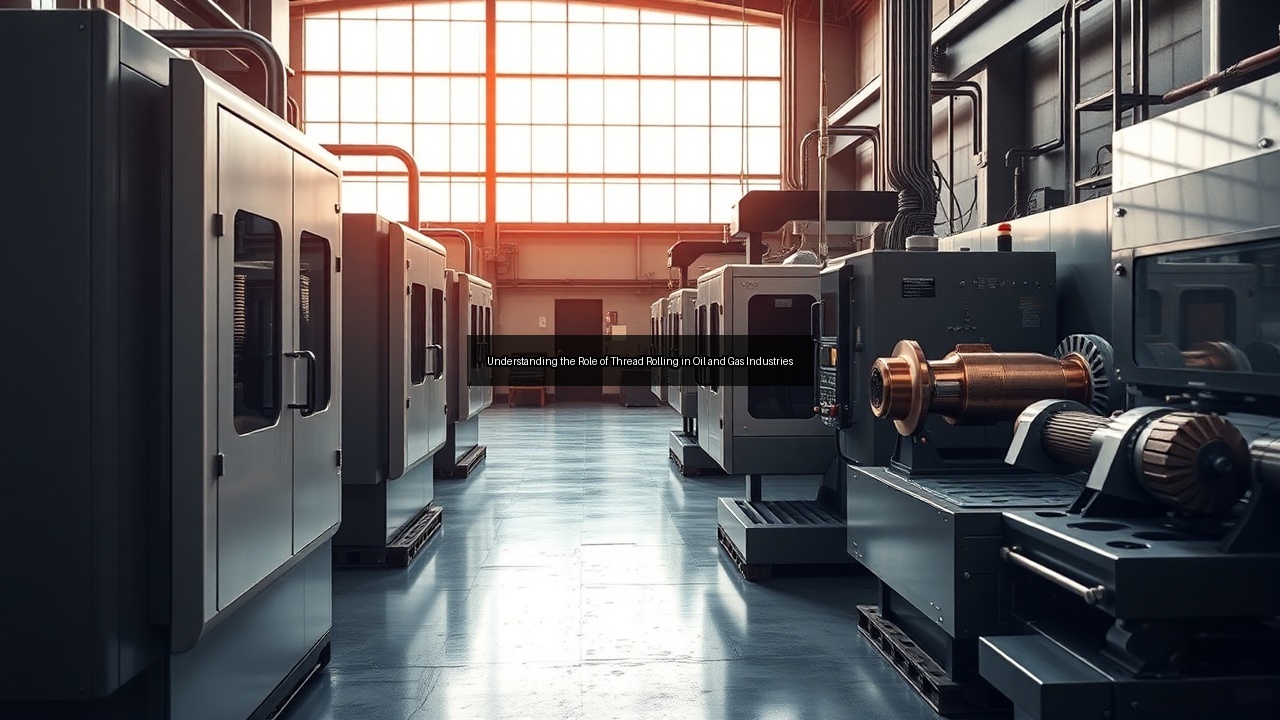
The Importance of Thread Rolling in the Oil and Gas Industry
Overview of Thread Rolling Processes
Thread rolling is a vital manufacturing process used to create threads on fasteners, which are essential components in the oil and gas industry. This technique involves deforming the metal through the application of pressure, which shapes it into the desired thread form without removing material, unlike traditional cutting methods. The process can create various thread profiles, including external and internal threads, making it a versatile option for different applications. The efficiency and precision of thread rolling significantly improve the strength and durability of fasteners, which are critical in high-stress environments like oil drilling and gas extraction.
Applications of Thread Rolling in Oil and Gas
Thread rolling serves numerous applications within the oil and gas sector. Fasteners are crucial for assembling pipelines, securing equipment, and ensuring the integrity of drilling rigs. High-pressure environments demand robust and reliable threaded connections to prevent leaks and failures. Manufacturers often utilize thread rolling services to produce bolts, nuts, and screws that meet stringent industry standards. Moreover, thread-rolled components can withstand extreme temperatures and corrosive conditions, making them ideal for offshore drilling and processing facilities. The ability to produce customized threads tailored to specific applications enhances operational efficiency, ensuring safety and reliability in oil and gas operations.
Benefits of Thread Rolling Services for Fasteners
Utilizing thread rolling services offers several advantages over traditional machining methods. First, thread rolling produces stronger threads due to work hardening, resulting in enhanced tensile strength. This characteristic is crucial for fasteners exposed to dynamic loads. Additionally, the process generates less waste and requires fewer tools, leading to cost savings for manufacturers. Fasteners produced through thread rolling also exhibit superior surface finishes, reducing the likelihood of corrosion and improving overall performance. The speed of production further sets thread rolling apart, allowing manufacturers to meet the high demand for fasteners in the oil and gas industry efficiently. Overall, thread rolling not only improves product quality but also contributes to lean manufacturing practices.
Technology and Techniques in Thread Rolling
CNC Machining and Thread Rolling
CNC machining plays a significant role in modern thread rolling operations. The integration of CNC technology allows for precise control and automation, leading to consistent thread quality across large production runs. CNC machines can quickly adjust settings to accommodate various thread specifications, enhancing flexibility in manufacturing. When combined with thread rolling, CNC machining ensures that the threads are produced with high accuracy, reducing errors and minimizing downtime. This synergy between CNC machining and thread rolling services streamlines production processes, making it easier for manufacturers to respond to market demands while maintaining high-quality standards. The result is a more efficient manufacturing environment that supports the rigorous needs of the oil and gas industry.
EDM Machining vs. Traditional Methods
Electrical Discharge Machining (EDM) presents an alternative to traditional thread rolling methods, especially for producing complex threads or intricate designs. While thread rolling excels at creating robust external threads, EDM machining offers precision in crafting fine threads or those requiring specific tolerances. Manufacturers often choose between these methods based on the specific requirements of their applications. EDM machining can handle hard-to-machine materials, making it valuable for creating specialized fasteners used in military and aerospace applications. However, thread rolling remains favored for its speed and efficiency, particularly when producing large quantities of standard fasteners. Understanding the strengths and limitations of each method empowers manufacturers to select the best approach for their threading needs.
Innovations in Thread Rolling Technology
Continual advancements in thread rolling technology enhance the capabilities of manufacturers in the oil and gas sector. Innovations include the development of hybrid machines that combine thread rolling with other processes, such as knurling and thread milling, to produce multi-functional components. Furthermore, improvements in tool materials and coatings extend the lifespan of threading tools, reducing maintenance needs and downtime. Automation and robotics are also making their way into thread rolling operations, further boosting productivity. These technological advancements enable manufacturers to produce higher-quality threaded components more efficiently, ultimately supporting the growing demands of the oil and gas industry. The future of thread rolling looks promising as these innovations unfold, leading to enhanced manufacturing processes and improved product performance.
Materials and Manufacturing Considerations
Selecting the Right Metals for Thread Rolling
Choosing the right metals for thread rolling is crucial for ensuring the performance and longevity of fasteners in the oil and gas industry. Commonly used materials include carbon steel, stainless steel, and various alloys, each offering unique properties suited for specific applications. Carbon steel provides excellent strength and hardness, making it ideal for high-stress environments. Stainless steel resists corrosion, making it suitable for offshore applications exposed to harsh conditions. Manufacturers must consider factors such as tensile strength, hardness, and corrosion resistance when selecting materials for thread rolling. Additionally, understanding the compatibility of different metals with thread rolling processes can optimize production efficiency and improve the final product's performance.
Impact of Thread Design on Performance
The design of threads significantly influences the performance of fasteners in the oil and gas sector. Factors such as thread pitch, profile, and depth affect load distribution, resistance to stripping, and overall strength. Custom thread designs can enhance the performance of fasteners in specific applications, ensuring they meet the rigorous demands of the industry. For example, a finer thread pitch may provide greater holding strength, while a coarser pitch can facilitate faster assembly. Manufacturers often collaborate with engineers to develop thread designs that align with application requirements, optimizing performance and reliability. Properly designed threads reduce the risk of failure, ultimately contributing to the safety and efficiency of oil and gas operations.
Inventory Management for Threaded Components
Effective inventory management is essential for manufacturers of threaded components in the oil and gas industry. Balancing supply and demand ensures that manufacturers can meet production schedules without overstocking or running into shortages. Implementing just-in-time (JIT) inventory systems helps streamline operations, reducing storage costs while ensuring timely deliveries. Tracking and forecasting demand for various threaded components allows manufacturers to adjust production schedules accordingly. Additionally, establishing relationships with reliable suppliers for thread rolling services ensures that manufacturers have a steady flow of high-quality materials. This proactive approach to inventory management supports efficient manufacturing operations and contributes to the overall success of businesses in the oil and gas sector.
Thread Rolling Services: Providers and Trends
Key Players in the Thread Rolling Market
The thread rolling market features several key players, each contributing to the growth and development of this essential manufacturing process. Established manufacturers, particularly those in Wisconsin, lead the industry by offering a range of thread rolling services tailored to the oil and gas sector. These players invest in advanced technology and skilled labor to maintain their competitive edge. Additionally, emerging companies are entering the market, introducing innovative solutions and expanding service offerings. The collaboration between established players and new entrants fosters a dynamic landscape where manufacturers can access a variety of options for their threading needs. This diversity in providers ensures that businesses in the oil and gas industry can find the right thread rolling services tailored to their specific applications.
Military and Aerospace Applications
Thread rolling services extend beyond oil and gas, finding critical applications in military and aerospace sectors. The need for high-strength, reliable fasteners in these industries drives the demand for precision-engineered threaded components. Fasteners used in aircraft, missiles, and military vehicles must withstand extreme conditions and rigorous performance standards. Thread rolling offers the strength and durability required for these applications, making it a preferred method for producing aerospace components. Manufacturers often implement stringent quality control measures to ensure that threaded fasteners meet the demanding specifications of military contracts. As a result, thread rolling services play a vital role in supporting the safety and reliability of military and aerospace operations.
Future Trends in Thread Rolling Services
The future of thread rolling services is shaped by ongoing advancements in technology and changing industry demands. Manufacturers increasingly prioritize sustainability and efficiency, leading to the adoption of eco-friendly practices in the production of threaded components. Automation and digital technologies will further streamline operations, allowing for faster production cycles and enhanced quality control. The rise of smart manufacturing will enable manufacturers to monitor processes in real-time, ensuring optimal performance. Additionally, as industries continue to evolve, the demand for customized and specialized threaded components will likely grow, driving innovation in thread rolling services. By staying ahead of these trends, manufacturers can position themselves for success in an ever-changing market.
See Also
- How Thread Rolling Services Revolutionize Fastener Production
- Why Thread Rolling is Essential for High-Performance Fasteners
- Streamlining Production with Automated Thread Rolling Services
- Unlocking Precision with Advanced Thread Rolling Services
- From Design to Production The Journey of Thread Rolling