The Cost Savings of Using Advanced Diesel Level Gauges
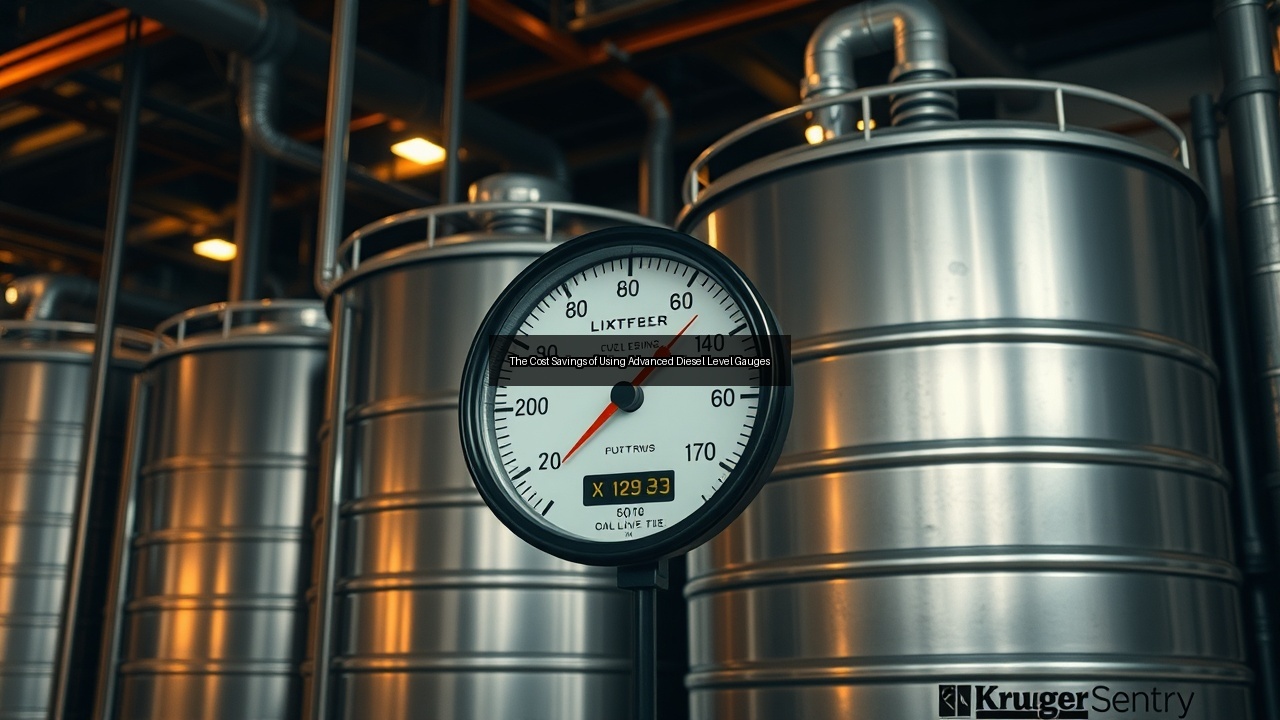
Understanding Diesel Tank Level Gauges
What Are Diesel Tank Level Gauges?
Diesel tank level gauges are essential devices used to monitor the amount of diesel fuel stored in tanks. These gauges provide real-time data regarding fuel levels, allowing operators to make informed decisions about refueling and inventory management. Accurate monitoring is vital for industries that rely heavily on diesel, such as transportation, construction, and agriculture. A diesel tank level gauge enhances operational efficiency by ensuring that fuel supplies remain adequate, preventing unnecessary downtime caused by fuel shortages. By using advanced technology, these gauges can deliver precise measurements, ensuring that businesses can maintain optimal fuel levels at all times.
Key Components of Diesel Gauges
Understanding the key components of diesel gauges is crucial for effective use and maintenance. Most diesel tank level gauges consist of several integral parts: the sensor, display unit, and communication module. The sensor detects the fuel level within the tank and translates this information into a readable format. The display unit shows the measurements clearly, often in both digital and analog formats. Some advanced systems also feature a communication module that enables data transmission to centralized management systems, allowing for remote monitoring. Reliable construction and robust materials are vital, as these gauges often operate in harsh environments, exposed to various weather conditions and potential wear from diesel fuel.
How Diesel Level Gauges Work
Diesel level gauges function through various mechanisms, including capacitive, ultrasonic, and hydrostatic methods. Capacitive gauges measure changes in capacitance caused by the presence of liquid, providing accurate readings even in fluctuating conditions. Ultrasonic gauges utilize sound waves to determine the distance between the sensor and the liquid surface, translating this into a precise measurement of the fuel level. Hydrostatic gauges, on the other hand, measure the pressure exerted by the liquid column, which correlates to the depth of fuel in the tank. Each method has its advantages, and the choice often depends on the specific requirements of the operation, such as the tank size, location, and environmental conditions.
The Financial Benefits of Advanced Diesel Level Gauges
Reducing Downtime with Accurate Measurements
Accurate measurements from diesel level gauges significantly reduce downtime in operations reliant on diesel fuel. Unforeseen fuel shortages can halt machinery and vehicles, leading to costly delays. By implementing advanced diesel gauges, operators can track fuel levels precisely, ensuring timely refueling. This proactive approach minimizes disruptions, allowing businesses to maintain productivity and efficiency. Moreover, accurate data helps in planning fuel level gauges for dieself fuel tanks deliveries more effectively, as operators can predict fuel needs well in advance. Reducing downtime not only boosts operational efficiency but also enhances overall profitability by avoiding the hidden costs associated with lost time and resource allocation during emergencies.
Minimizing Fuel Waste and Loss
Fuel waste and loss can severely impact operating costs. Advanced diesel level gauges play a key role in minimizing these losses through accurate monitoring. By providing real-time data, these gauges enable operators to identify discrepancies between reported levels and actual stock. This capability helps in detecting leaks or theft, which can otherwise go unnoticed. Additionally, accurate measurements prevent overfilling, which can lead to spills or environmental hazards. The financial implications of fuel waste extend beyond the cost of the fuel itself; businesses can face regulatory fines and cleanup costs if they cause environmental damage. Therefore, investing in reliable diesel fuel gauges is a strategic move for any company looking to safeguard its resources and improve its bottom line.
Cost-Effective Maintenance Solutions
Advanced diesel level gauges contribute to cost-effective maintenance solutions by providing data that can inform maintenance schedules. Regular monitoring of fuel levels helps identify potential issues before they escalate, allowing for timely interventions. For instance, if a gauge detects irregularities in fuel levels, it can signal the need for maintenance on the storage tank or associated plumbing. Proactive maintenance reduces the risk of costly repairs and extends the lifespan of equipment. Furthermore, advanced systems often come equipped with diagnostic capabilities that alert operators to potential issues, eliminating guesswork and reducing unnecessary maintenance costs. This shift towards preventive care not only saves money but also enhances the reliability of fuel systems.
Choosing the Right Diesel Tank Level Gauge
Factors to Consider When Selecting a Diesel Gauge
Choosing the right diesel tank level gauge involves several critical factors. First, consider the type of tank and its size. Different gauges are designed for specific tank configurations, and the compatibility of the gauge with your existing infrastructure is paramount. Second, evaluate the environmental conditions in which the gauge will operate. Some gauges are better suited for extreme temperatures or hazardous environments. Third, assess the desired level gauges for dieself fuel tanks features, such as remote monitoring capabilities, digital displays, or integration with existing fuel management systems. Lastly, consider installation and maintenance requirements, as some systems may require specialized plumbing or technical expertise for setup and upkeep.
Comparing Different Types of Diesel Level Gauges
When comparing different types of diesel level gauges, it’s essential to weigh their advantages and disadvantages. Capacitive gauges offer high precision and are suitable for a range of tank sizes but may require calibration. Ultrasonic gauges provide non-contact measurement, minimizing wear and tear, but can be affected by foam or turbulence in the tank. Hydrostatic gauges are reliable and often used in larger tanks, yet they may require more maintenance due to exposure to liquid. Each type of gauge comes with its own set of benefits, and the best choice depends on specific operational needs. Evaluating these factors can lead to more informed purchasing decisions, resulting in long-term savings and reliability.
The Role of Brands like Krueger Sentry
Brands like Krueger Sentry are known for their innovative diesel level gauges that incorporate advanced technology. Their products often feature robust designs, ensuring durability in demanding environments. Krueger Sentry gauges provide accurate and reliable measurements, enabling businesses to manage their fuel resources effectively. The brand’s reputation for quality and customer support makes it a favored choice among operators in various industries. Investing in a reputable brand like Krueger Sentry not only enhances the reliability of diesel monitoring systems but also ensures ongoing access to technical support and maintenance resources, further safeguarding the investment.
Implementing Diesel Level Gauges in Your Operations
Best Practices for Installation and Plumbing
Implementing diesel level gauges requires careful attention to installation and plumbing to ensure optimal performance. Begin with a thorough assessment of the tank site, considering factors such as accessibility, environmental conditions, and existing plumbing systems. Follow the manufacturer’s guidelines for installation, paying close attention to securing fittings and ensuring proper sealants are used to prevent leaks. Professional installation is recommended for complex systems, especially those integrating with existing fuel management systems. Proper plumbing is crucial, as it affects the accuracy of measurements and the reliability of the system. Regular maintenance checks post-installation can help identify any potential issues early on.
Integrating Diesel Gauges with Fuel Management Systems
Integrating diesel gauges with fuel management systems streamlines operations and enhances efficiency. This integration allows for real-time monitoring of fuel levels, enabling automated alerts for low fuel situations. Fuel management systems can analyze consumption patterns based on the data from the gauges, providing insights into usage trends and helping businesses optimize fuel procurement. This seamless flow of information reduces the burden on staff and minimizes the chances of human error in monitoring. Additionally, integration can enhance reporting capabilities, providing comprehensive data analytics that supports better decision-making and strategic planning.
Training Staff for Efficient Use and Monitoring
Training staff on the efficient use and monitoring of diesel level gauges is essential for maximizing their benefits. Effective training programs should cover the operation of the gauges, interpretation of readings, and troubleshooting common issues. Staff should understand the importance of regular monitoring and the implications of fuel levels on overall operations. Incorporating hands-on training and simulations can enhance learning outcomes, ensuring that employees feel confident in using the systems. Furthermore, ongoing training sessions can keep staff updated on any technological advancements or changes in operational protocols, fostering a culture of continuous improvement and operational excellence.