Green Bay's Role in the Evolution of Sustainable Packaging Solutions
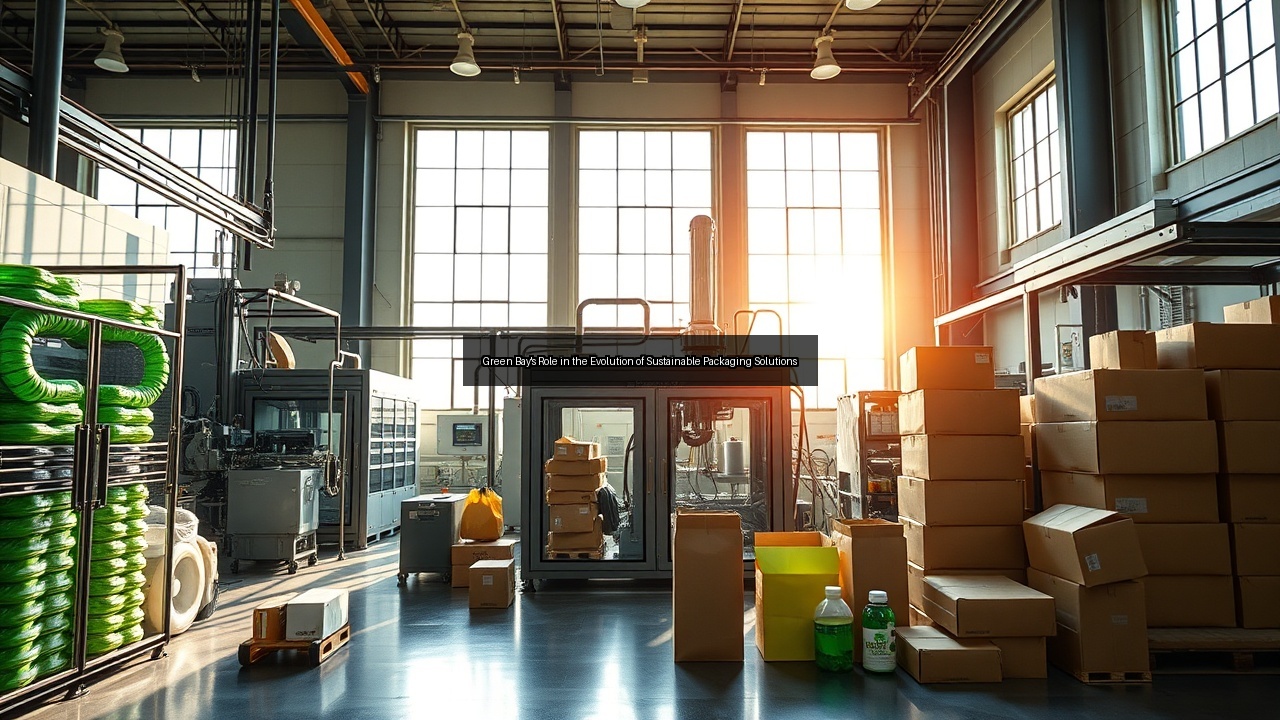
The Evolution of Sustainable Packaging in Green Bay
Historical Background of Plastic Manufacturing in Green Bay
Green Bay has long held a significant place in the American industrial landscape, particularly in the realm of plastic manufacturing. The city’s strategic location along the bay made it an ideal hub for shipping and logistics, which fueled the growth of various manufacturing sectors. In the mid-20th century, the rise of plastics transformed the packaging industry. With their versatility, durability, and low production costs, plastics quickly became a favored material makers for product packaging. However, this convenience came with environmental costs that became apparent over the decades. Waste management issues and the long degradation times of plastic products led to increased scrutiny of plastic manufacturers. As the environmental movement gained momentum, Green Bay’s plastic companies began to recognize the need for sustainable practices, marking a pivotal shift in their operational strategies.
Key Players: Green Bay Plastic Companies and Their Innovations
Several key players in the Green Bay plastic sector have pioneered innovations that emphasize sustainability. Companies such as Bemis Company, Inc. and ProAmpac have invested heavily in research and development to create eco-friendly packaging solutions. These manufacturers focus on reducing the environmental impact of their products by utilizing recycled materials and developing biodegradable alternatives. Their commitment to sustainable packaging solutions not only aligns with consumer demand for greener products but also positions them as leaders in the industry. Additionally, many Green Bay plastic companies collaborate with local universities and research institutions to explore cutting-edge technologies and materials that enhance recyclability. This collaborative spirit fosters a culture of innovation that propels sustainable practices forward.
The Shift Towards Sustainable Packaging Solutions
The shift towards sustainable packaging solutions in Green Bay reflects a broader trend in the industry. As consumers increasingly prioritize environmental responsibility, manufacturers must adapt their practices to meet these expectations. The introduction of new materials, such as bioplastics and recycled polyethylene, showcases how Green Bay plastic companies are evolving. These materials offer a promising alternative to traditional plastics, significantly reducing waste and energy consumption during production. Moreover, companies are implementing life cycle assessments to evaluate the environmental impact of their packaging solutions from production to disposal. This comprehensive approach not only helps in developing sustainable products but also builds trust with consumers who seek transparency and accountability from the brands they support.
The Role of Green Bay Plastic Companies in Recycling Initiatives
Recyclability of Plastics: Challenges and Opportunities
Plastic recyclability presents both challenges and opportunities for Green Bay manufacturers. While the potential to recycle plastics exists, many types of plastic products face significant hurdles in the recycling process. Contamination and the complex nature of plastic materials often lead to lower recycling rates. Green Bay plastic companies recognize these challenges and are actively working to improve recyclability. By investing in cleaner production techniques and educating consumers about proper recycling practices, these manufacturers aim to increase the percentage of plastics that can be reprocessed into new products. This commitment to enhancing recyclability not only addresses environmental concerns but also opens up new markets for recycled material, creating a more circular economy.
Innovative Recycling Technologies in Green Bay
Innovative recycling technologies play a crucial role in the evolution of sustainable practices in Green Bay. Local manufacturers are adopting advanced recycling methods that make it possible to reclaim plastics more efficiently. For instance, chemical recycling—a process that breaks down plastics into their original monomers—has gained traction among Green Bay plastic companies. This technology enables the conversion of hard-to-recycle plastics into high-quality raw materials for new products. Additionally, many companies are embracing automation and AI technologies to improve sorting and processing efficiency in recycling facilities. Such advancements not only enhance operational efficiency but also reduce energy consumption, aligning with sustainability goals across the industry.
Success Stories: Local Companies Leading the Charge
Green Bay boasts several success stories in its pursuit of sustainable packaging and recycling initiatives. For instance, a local manufacturer, known for its innovative approach to sustainable product packaging, has achieved significant milestones in using recycled materials. This company has developed a line of packaging solutions that incorporate up to 50% recycled content, demonstrating how local industries can lead by example. Another notable example is a collaboration between Green Bay plastic companies and environmental organizations, aimed at promoting community recycling programs. These initiatives educate residents about the importance of recycling and how to properly dispose of plastic waste, ultimately fostering a culture of sustainability within the community. green bay plastics Such success stories not only inspire other manufacturers but also contribute to building a more sustainable future for Green Bay.
Sustainable Packaging Solutions: Current Trends and Future Outlook
Materials Matter: Exploring Polyethylene and Recycled Materials
Materials play a pivotal role in the sustainable packaging landscape. Polyethylene, one of the most commonly used plastics, has evolved considerably in recent years. Green Bay manufacturers are increasingly utilizing recycled polyethylene in their product packaging, which significantly reduces the need for virgin materials. This trend aligns with consumer preferences for eco-friendly packaging options. Furthermore, many companies are experimenting with bio-based materials that offer similar properties to traditional plastics but with a lower environmental impact. The exploration of these alternative materials not only provides manufacturers with a competitive edge but also demonstrates a commitment to sustainability, appealing to environmentally conscious consumers.
Integrating AI in Sustainable Packaging Manufacturing
Artificial intelligence (AI) is revolutionizing various industries, including sustainable packaging manufacturing. Green Bay plastic companies are beginning to harness the power of AI to optimize production processes and enhance sustainability. AI-driven technologies can analyze data to improve efficiency, reduce waste, and streamline operations. For example, predictive analytics can help manufacturers forecast demand more accurately, minimizing excess production and its associated energy costs. Additionally, AI can assist in developing smarter recycling systems by improving sorting accuracy and reducing contamination rates. The integration of AI not only fosters innovation but also positions Green Bay as a forward-thinking hub for sustainable packaging solutions.
Evaluating Risks and Evidence in Sustainable Practices
While the push for sustainable packaging solutions is commendable, it is essential to evaluate the risks and evidence behind these practices. Green Bay plastic companies must conduct thorough assessments to ensure that their sustainable initiatives truly benefit the environment. This involves analyzing the life cycle of materials, understanding the energy inputs required for production, and measuring the actual recyclability of their products. Transparency and accountability are vital in this evaluation process. By sharing evidence and findings with consumers and stakeholders, Green Bay manufacturers can build trust and credibility. This commitment to evidence-based practices not only strengthens the industry’s reputation but also drives continuous improvement in sustainability efforts.
See Also
- Exploring Green Bay's Plastic Manufacturers Leading the Charge in Recycling
- The Hidden Benefits of Partnering with Green Bay Plastic Companies
- Meet the Green Bay Plastic Companies Pioneering Eco-Conscious Innovations
- How Green Bay is Setting Standards in the Global Plastic Manufacturing Sector
- The Future of Recyclability in Green Bay's Plastic Products