Choosing the Right Thermoplastics for Dual Shot Injection Molding
Understanding Dual Shot Injection Molding
Overview of Dual Shot Injection Molding Process
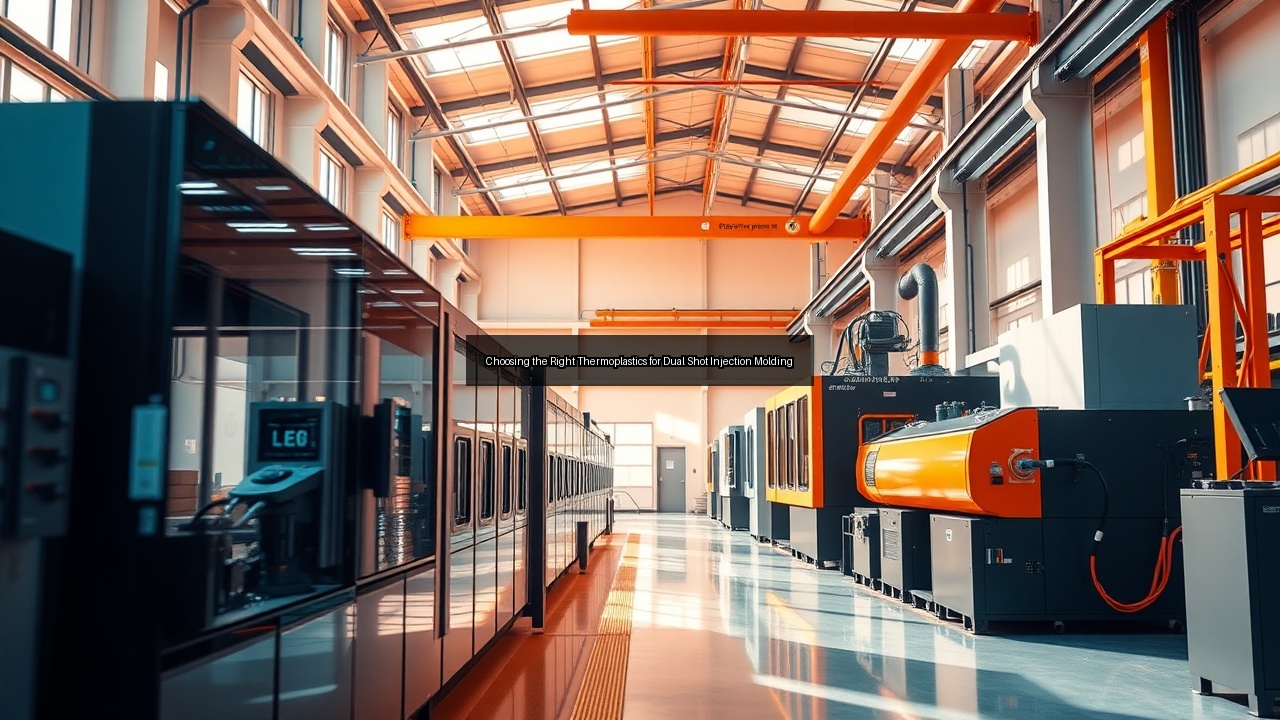
Dual shot injection molding involves the process of injecting two different thermoplastic materials into a single mold to create a multi-material part. This innovative technique allows manufacturers to combine the properties of different plastics, resulting in enhanced product functionality and aesthetics. The dual shot process typically requires a specialized injection molding machine capable of handling two distinct materials. Each shot can be tailored to achieve specific attributes, such as stiffness, flexibility, or chemical resistance. The precision of this method enables the production of complex geometries and intricate designs that traditional single-material injection molding simply cannot achieve. As the demand for more sophisticated products grows, dual shot injection molding presents an optimal solution, providing engineers and designers with the versatility needed for modern manufacturing challenges.
Benefits of Dual Shot Technique over Traditional Methods
The dual shot molding technique offers several advantages over traditional single shot injection methods. One significant benefit is the ability to create parts with varying textures and colors in a single production cycle. This process eliminates the need for secondary operations, such as painting or assembly, thereby reducing manufacturing time and costs. Additionally, dual shot molding enhances product durability by allowing the integration of materials that can improve impact resistance and overall strength. The technique also fosters design flexibility, enabling the incorporation of features like soft grips or water-resistant barriers into a single part. Manufacturers experience reduced waste due to the efficient use of materials, making this approach not only cost-effective but also environmentally friendly. Overall, the dual shot method optimizes production processes and delivers high-quality, functional products.
Applications of Dual Shot Injection Molding in Industry
Various industries leverage dual shot injection molding to produce a wide array of components. Automotive manufacturers utilize this technique to create dashboard components that require both rigidity and comfort, effectively combining hard and soft thermoplastics. Consumer electronics also benefit from dual shot molding, particularly in the production of ergonomic devices that require a combination of durability and tactile feedback. Medical device manufacturers employ this innovative method to produce components that must meet stringent regulatory standards while ensuring user comfort and safety. In the packaging industry, dual shot molding allows for the creation of multi-material containers that provide enhanced barrier properties and aesthetic appeal. By integrating multiple materials, companies can address diverse consumer needs while maintaining high production efficiency.
Selecting the Right Thermoplastics for Dual Shot Molding
Key Properties of Thermoplastics for Dual Shot Applications
Choosing the right thermoplastics is critical for successful dual shot injection molding. Essential properties to consider include thermal stability, tensile strength, and compatibility with other materials. Thermoplastics must withstand the temperatures associated with the injection molding process without degrading. High tensile strength ensures that the final product can endure mechanical stresses during use. Compatibility between the two selected materials is crucial to achieve a strong bond and prevent delamination at the interface. Additionally, factors like flexibility and impact resistance play a significant role in determining the suitability of thermoplastics for specific applications. Manufacturers often conduct extensive material testing to ensure that the selected thermoplastics meet performance requirements while also aligning with design specifications.
Popular Thermoplastics Used in Dual Shot Molding
Several thermoplastics stand out as popular choices in dual shot injection molding due to their unique properties. Polypropylene (PP) is favored for its excellent chemical resistance and low density, making it ideal for lightweight applications. Acrylonitrile Butadiene Styrene (ABS) provides a balance of toughness and impact resistance, often used in consumer electronics. Polycarbonate (PC) is another popular option, known for its clarity and strength, making it suitable for applications requiring transparency, like safety goggles. Thermoplastic elastomers (TPE) offer the flexibility of rubber combined with the processing advantages of plastics, making them excellent for soft-touch grips. By understanding the specific applications and benefits of these thermoplastics, manufacturers can make informed decisions that enhance product performance and functionality.
Evaluating Compatibility of Different Plastics
Compatibility between different thermoplastics is a critical factor in the dual shot injection molding process. The materials must bond effectively to create a robust final product without delamination or failure at the interface. Evaluating compatibility involves testing the adhesion properties of the selected thermoplastics under various conditions. Factors such as chemical compatibility, thermal expansion coefficients, and processing temperatures play significant roles in determining whether two materials can coexist in a dual shot application. Manufacturers often conduct adhesion tests, such as peel strength tests or shear tests, to assess the bond quality. By thoroughly evaluating compatibility, manufacturers can ensure that the end product meets durability and performance standards, ultimately leading to enhanced customer satisfaction.
Sustainability Considerations in Dual Shot Injection Molding
Eco-friendly Thermoplastic Options
As sustainability becomes a priority in manufacturing, eco-friendly thermoplastic options have emerged in the dual shot injection molding landscape. Biodegradable plastics, such as polylactic acid (PLA), have gained traction due to their lower environmental impact. These materials offer similar performance characteristics to traditional plastics while reducing reliance on fossil fuels. Additionally, recycled thermoplastics present an opportunity to minimize waste and promote circular economy practices. Manufacturers are increasingly exploring the integration of these sustainable materials into their dual shot molding processes, aligning their production practices with environmental responsibility. By choosing eco-friendly options, companies not only reduce their carbon footprint but also appeal to consumers who prioritize sustainability in their purchasing decisions.
Reducing Waste through Efficient Dual Shot Techniques
Efficient dual shot injection molding techniques contribute significantly to waste reduction in manufacturing processes. This approach minimizes the need for secondary operations, such as trimming or assembly, which can generate excess scrap material. The ability to create complex geometries in a single production cycle also reduces the total material required. Advanced machine technology, such as precise temperature control and optimized cycle times, further enhances efficiency and minimizes energy consumption. Manufacturers can implement strategies such as careful material planning and optimization of mold designs to ensure maximum yield and minimal waste. By prioritizing efficiency in dual shot molding, companies can not only improve their bottom line but also contribute to a more sustainable manufacturing landscape.
The Role of Leadership in Sustainable Practices
Leadership plays a pivotal role in driving sustainable practices within the dual shot injection molding industry. Decision-makers must cultivate a culture of sustainability that permeates every aspect of operations, from material selection to production practices. Effective leaders advocate for innovative approaches that prioritize eco-friendly materials and processes, setting an example for their teams. Investing in research and development for sustainable technologies further demonstrates a commitment to environmental responsibility. By fostering collaboration across departments and engaging in meaningful conversations about sustainability, leaders can inspire their organizations to adopt best practices and contribute positively to the planet. Ultimately, strong leadership in sustainability not only enhances a company's reputation but also positions it for long-term success in an increasingly eco-conscious market.
Future Trends in Dual Shot Injection Molding
Integration of 3D Printing with Dual Shot Techniques
The integration of 3D printing with dual shot injection molding is poised to revolutionize the manufacturing landscape. This synergy allows for the rapid prototyping of complex designs, enabling manufacturers to iterate and refine products before mass production. Combining additive manufacturing with dual shot techniques creates opportunities to produce multi-material components that were previously too complex for traditional methods. As 3D printing technology continues to advance, manufacturers will find new ways to leverage its capabilities alongside dual shot injection molding. This convergence not only enhances the design process but also provides a platform for innovation in material development, leading to the emergence of novel thermoplastics and hybrid materials.
Innovations in Materials: Aluminum and Beyond
Innovations in materials are expanding the possibilities within dual shot injection molding. The incorporation of aluminum in conjunction with thermoplastics enhances product strength while maintaining lightweight characteristics. This combination is particularly appealing in industries such as automotive and aerospace, where weight reduction plays a significant role in performance. Beyond aluminum, researchers are exploring new composites and blends that offer unique properties, such as enhanced thermal stability and reduced environmental impact. These innovations not only improve product performance but also open new avenues for design and functionality. Staying abreast of these material advancements equips manufacturers to remain competitive in a rapidly evolving market.
The Growing Importance of Overmolding in the Industry
Overmolding has gained traction as a critical process in dual shot injection molding. This technique involves adding a second layer of material over a core component, enhancing functionality and improving overall product performance. Industries such as consumer electronics and medical devices increasingly rely on overmolding to create ergonomic grips, seals, and protective features. The ability to combine different materials in a single process streamlines production and enhances product design. As the demand for multifunctional products rises, overmolding will continue to play a vital role in the evolution of dual shot injection molding. Embracing this trend positions manufacturers to meet consumer expectations while driving innovation in product development.
See Also
- The Future of Manufacturing Through Dual Shot Injection Molding
- The Synergy of Extrusion and Dual Shot Injection Molding
- Dual Shot Injection Molding and Its Role in Eco-Friendly Plastics
- Exploring the Advantages of Dual Shot Injection Molding in Sustainable Manufacturing
- The Economic Impact of Dual Shot Injection Molding on Manufacturing